Skip the Crowds: Where Real Surfers Near America's Biggest Cities Actually Paddle Out
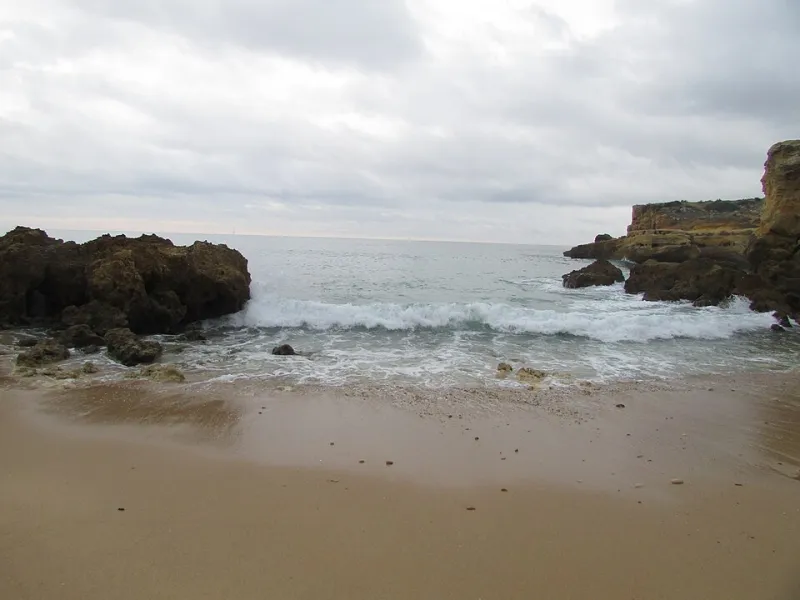
Photo: Kolforn (Kolforn) I'd appreciate if you could mail me ([email protected]) if you want to use this picture out of the Wikimedia project scope. This file is licensed under the Creative Commons Attribution-Share Alike 4.0 International license. Yo
Let's be honest. The spots that blow up on social media stop being fun the moment they blow up on social media. You've driven an hour and a half, board strapped to the roof, coffee going cold in the cupholder — and you pull up to a parking lot that looks like a tailgate party. Forty people in the lineup. Kooks dropping in. Somebody's drone hovering overhead filming a sponsored clip.
That's not the life. That's not why any of us got into surfing.
The good news? Every major US metro has a ring of quieter breaks around it — spots that local shop regulars have been quietly enjoying for years, decades even. These aren't secret in the conspiratorial sense. They're just not hashtagged to death. They reward the surfer who does a little homework, respects the people already there, and keeps their mouth shut online afterward.
Here's a region-by-region look at how to think about finding those spots — and why protecting them matters as much as finding them.
Southern California: Beyond the PCH Parade
Anybody who surfs Los Angeles knows that Malibu, Venice, and even El Porto can feel like a theme park on a good swell. The waves are real, but the vibe is exhausting. What most people don't realize is that Ventura County, Orange County's lesser-known coves, and the stretches south of the border towns all have breaks that rarely see more than a handful of people — even on solid south swells.
The trick in SoCal isn't finding secret spots on a map. It's timing and tide. A reef that's blown out and crowded at 9 a.m. on a Saturday might be firing and empty at 6 a.m. on a Tuesday. Local shop communities — the kind of crew that hangs around a board rack on a Wednesday afternoon — are the real intel network here. Buy your wax there. Chat up the person behind the counter. Ask what they've been driving to lately.
Also worth noting: the Channel Islands coastline, accessible by ferry, offers some of the most consistent, uncrowded surf in the state. It takes more effort, but that effort is literally the barrier keeping the masses out.
The Pacific Northwest: Cold Water, Empty Lineups
Seattle is within driving distance of some genuinely world-class surf, and almost nobody from outside the region knows it. The Washington coast — spots like the beaches near the Quinault Reservation and the stretches up toward Neah Bay — gets real groundswell, handles northwest winds reasonably well, and sees a fraction of the traffic that California breaks do.
The tradeoff is the cold. You need a solid 4/3 wetsuit minimum, boots, gloves, and a hood in the winter months. But here's the thing: that cold water is the filter. It keeps casual surfers away. The people who show up are serious, respectful, and usually stoked to share a wave with someone who made the effort.
The Olympic Peninsula in particular has breaks that reward explorers. No crowds, no cameras, just old-growth forests running down to beach breaks that nobody's named yet on any surf app.
East Coast: The Underrated Fringe
New York City surfers already know about Rockaway and Long Beach. Those spots are great — but they're also known. The real gems on the East Coast tend to be in the fringes: the outer banks of North Carolina have stretches that barely see traffic outside of hurricane season. Rhode Island has point breaks that rival anything in New England when the swell hits right. Even New Jersey — yes, Jersey — has pockets of quality that go unridden on most days because the Instagram crowd has decided it's not aesthetic enough.
Florida surfers near Jacksonville or the Space Coast often overlook the stretches north of Flagler Beach and south of St. Augustine that don't have dedicated parking lots or surf shops nearby. That inconvenience is the feature, not the bug.
How to Find These Spots Without Blowing Them Up
Here's the honest framework:
Talk to local shops, not surf apps. Surf apps aggregate data from user reports. That means crowded spots stay crowded because everyone's looking at the same data. Local shops — especially independent ones — have staff who actually surf those breaks. Ask specific questions. Be genuine. Don't treat it like an interrogation.
Drive past the obvious parking. Most surfers stop at the first legal place to park near a break. Drive another mile. Walk a little further. The wave quality often improves as the crowd thins.
Respect what you find. This is the big one. If you find an uncrowded break with a tight local crew, don't post it. Don't tag it. Don't check in. The whole reason it's good is that it hasn't been discovered yet. Be the person who keeps it that way.
Go on weird days. Midweek, early morning, after rain, in October — these are your friends. The surf is often just as good. The parking lot is not.
Why Keeping Spots 'Salty' Actually Matters
There's a reason the best surf communities in America are protective of their local breaks. It's not elitism. It's ecology, economics, and culture all at once.
When a break blows up, the parking situation deteriorates, local residents get frustrated, municipalities start restricting beach access, and the wave itself sometimes suffers from increased foot traffic and pollution. The salty, uncrowded spot isn't just better for your surfing experience — it's better for the beach itself.
Shop local. Surf local. Keep the good stuff quiet. That's not gatekeeping. That's stewardship.
At Wya Point, we believe the best surf experiences are the ones you earn — through research, through relationships, through showing up with the right attitude and the right gear. The wave you find after a two-hour drive on a random Tuesday, with three other people in the water who nod at you when you paddle out — that's the one you'll be talking about for years.
The Instagram shot fades. The memory of a perfect, empty peak doesn't.