Feed the Paddle: What You Actually Need to Eat Before a Cold-Water Dawn Session
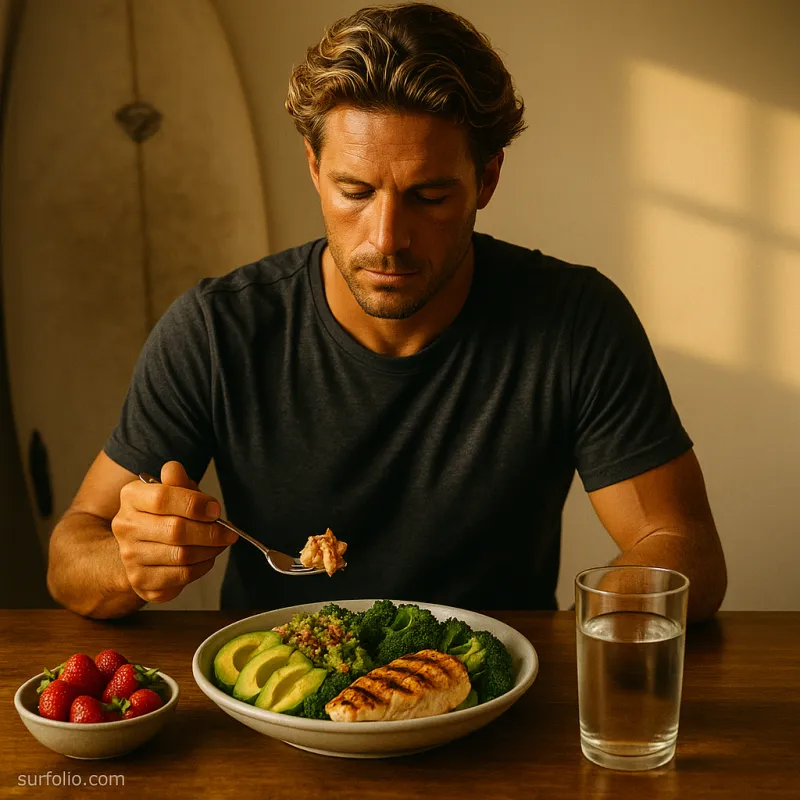
Photo: surfer eating breakfast before dawn surf session winter morning, via www.surfolio.com
You're standing in the dark, headlights off, watching the sets roll in from the parking lot. It's 5:45am. Your wetsuit is still damp from yesterday. The water is somewhere around 50 degrees, the air is colder, and you haven't eaten anything since dinner last night. You figure — as surfers often do — that an empty stomach is a clean stomach, and a clean stomach won't cramp up on you mid-session.
Here's the thing: that logic might be costing you the best part of your ride.
Pre-dawn surf nutrition is one of those topics that gets passed around in parking lots like it's gospel, but rarely gets examined with any real rigor. What you eat — and when you eat it — before paddling out in cold water matters more than most surfers want to admit. And the story is more nuanced than "eat a banana" or "just wait until after."
Why Cold Water Changes Everything
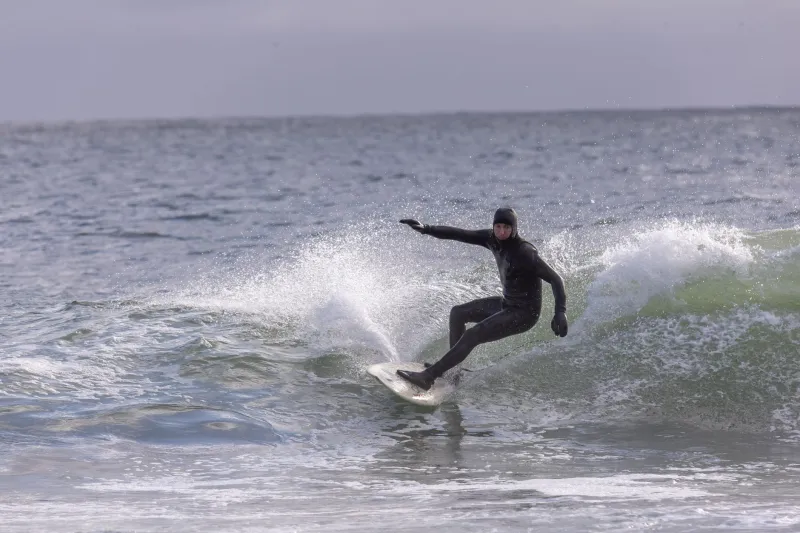
Warm-water sessions are relatively forgiving. Your body isn't working overtime just to maintain core temperature, which means the energy demands of a summer morning session at Huntington or Folly Beach are fundamentally different from what your system faces charging overhead sets in a 4/3 off the Oregon coast or pushing through a January swell at Ocean Beach in San Francisco.
When water temps drop below 60 degrees, your body starts redirecting energy toward thermoregulation — basically, keeping your core warm. That process burns through glycogen stores faster than most surfers realize. Add in the physical demands of paddling, duck diving, and popping up repeatedly, and you're looking at a metabolic load that an empty tank simply can't support for long.
Research on cold-water immersion and athletic performance consistently shows that athletes who enter cold water in a fasted state experience earlier fatigue, reduced reaction time, and — critically — a faster drop in core temperature. Your body needs fuel to generate heat. That's just physiology.
The Fasting Myth, Debunked
The idea that surfing fasted is somehow more "natural" or better for your body has circulated in surf culture for years, often wrapped up in broader intermittent fasting trends. And look — intermittent fasting has legitimate applications. But those applications are not "paddling through a freezing shorebreak at dawn."
Fasting before high-intensity, cold-environment exercise is a recipe for bonking early, paddling sluggishly, and missing waves your body would have been able to catch with proper fuel on board. The surfers who swear by fasted sessions are often doing shorter, warmer-water paddles — or they're just not connecting the dots between their energy levels and what they didn't eat.
That said, eating a massive meal before getting in the water is equally counterproductive. The goal isn't to stuff yourself. It's to give your body the right kind of fuel, in the right amount, at the right time.
The Timing Window
For most people, eating 45 minutes to 90 minutes before paddling out hits the sweet spot. That's enough time for your body to begin processing the food without it sitting heavy in your gut when you're duck diving under a set wave.
If you're waking up at 5am for a 6:15am paddle-out, you've got time for a real small meal — not a snack, not a full breakfast, but something deliberate. If your window is tighter, something even smaller and faster-digesting works better than nothing.
What Actually Works: Cold-Water Pre-Session Meals
Here's where we get practical. These aren't trendy wellness ideas — they're the kinds of things that actually show up in the bags and dashboards of experienced surfers who've figured out their systems through trial and error.
The Warm Oat Base Oatmeal is a cliché for a reason. Complex carbohydrates digest slowly, providing a steady energy release rather than a spike-and-crash cycle. Add a spoonful of almond or peanut butter for fat and protein, and a drizzle of honey if you want a quick-burning carb on top. This combo has staying power. Make it warm — your body will thank you when you're standing on a cold beach.
Eggs and Toast, Kept Simple Two scrambled or hard-boiled eggs on a piece of whole grain toast is a compact, protein-forward option that works especially well if you're paddling out more than an hour after eating. The protein helps with muscle function and sustained energy; the toast gives you accessible carbs. Avoid anything too greasy — fat slows digestion and can sit uncomfortably when you're horizontal on your board.
The Banana-Plus Combo A single banana isn't enough on its own for a cold-water session — but pair it with a handful of nuts or a small scoop of nut butter and you've got a reasonable quick-fuel option for tight morning windows. The banana's potassium also helps with muscle cramps, which cold water has a way of encouraging.
Rice Cakes with Avocado This one sounds like something from a wellness influencer's page, but it genuinely works. Light, easy to digest, and the healthy fats in avocado provide slow-burning energy without weighing you down. Add a pinch of sea salt — you're going to be losing electrolytes out there.
What to Skip
A few things consistently cause problems in the water and are worth avoiding before a session:
- High-fiber foods like raw vegetables or legumes — they digest slowly and can cause bloating mid-session
- Dairy-heavy options if you're sensitive — cold water has a way of amplifying digestive discomfort
- Sugary cereals or pastries — the blood sugar spike hits fast and drops faster, leaving you flat during the back half of your session
- Coffee on an empty stomach — caffeine before paddling out is fine and actually has documented performance benefits, but drinking it without any food underneath can cause jitteriness and acid reflux when you're working hard
Summer vs. Winter: Does the Season Change Your Approach?
Yes, meaningfully. In warmer months — think August in the Southeast, or a California summer — your body isn't fighting cold, which means your energy demands are lower and your digestion is less stressed. A lighter pre-session snack, or even just coffee and a piece of fruit, can be enough for a moderate session.
But once water temps start sliding below 60, treat your pre-session meal with more intention. Your body is doing more work just existing in that environment, and you need to support it accordingly.
Hydration Is Part of the Equation
Surfers often forget about hydration because they're surrounded by water — salt water, which doesn't count. Cold air is dry, and paddling is physical work. You're sweating inside that wetsuit even when you can't feel it. Drink 12 to 16 ounces of water before you head out, and if you've got a longer drive to the break, sip steadily on the way.
Electrolytes matter in winter too. A pinch of salt in your water or a low-sugar electrolyte tablet can help maintain muscle function in cold conditions.
The Bottom Line
Your session starts before you hit the water. What you put in your body in the hour or two before paddling out shapes how long you can stay out there, how sharp your decision-making is in the lineup, and how hard you can push when the right wave comes.
Eating smart before a cold-water session isn't about being precious with your diet — it's about giving yourself the best possible shot at the waves you woke up early to catch. Ride more. That starts with feeding the paddle.