Every Session Leaves Something Behind: The Hidden Cost of Paraffin Wax on Coastal Ecosystems
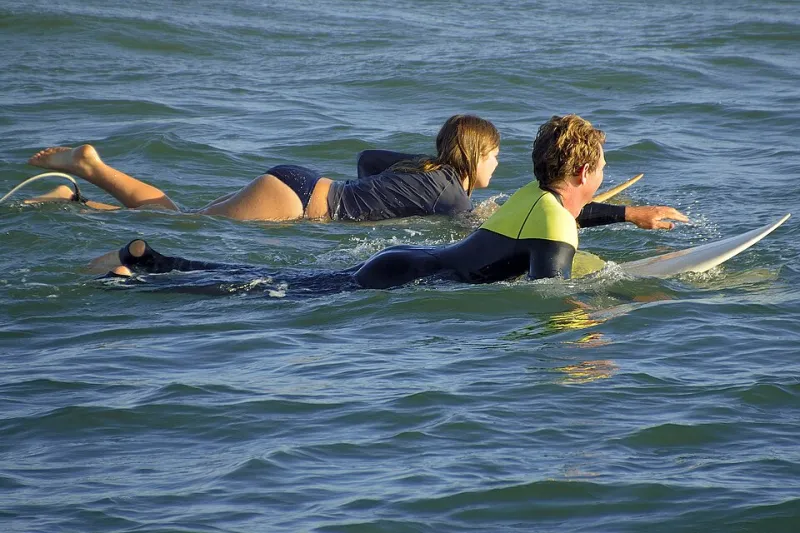
Photo: Mokahehteh, CC0, via Wikimedia Commons
There's a ritual to waxing a board. The smell, the circular motion, the way fresh wax builds up into those little bumps that tell you you're ready to go. It's one of those small things that makes surfing feel like surfing. But here's the uncomfortable part nobody really wants to sit with while they're standing in the parking lot at dawn: some of that wax isn't staying on your board. A portion of it is ending up in the ocean, every single session, dissolving into the water column and eventually finding its way into the food chain.
Wetsuit shedding has gotten most of the attention lately when it comes to surf culture and microplastic pollution. That conversation is important. But the wax issue has been quietly building in the background, and marine researchers are starting to pay closer attention to what traditional paraffin-based surf wax is actually doing to coastal ecosystems.
What Paraffin Actually Is — And Why That Matters
Most surf wax sold in the US is built on a paraffin base. Paraffin is a petroleum byproduct — a waxy solid derived from crude oil refining. It's cheap, it works well across a range of temperatures, and it's been the backbone of surf wax formulations for decades. Brands blend it with additives like stearic acid, synthetic fragrance compounds, and various hardeners to get the right texture for different water temps.
The problem is what happens when that wax meets saltwater and UV exposure over the course of a session. Paraffin doesn't simply stay put. It softens, it flakes, it transfers off the deck with every duck dive and wipeout. Small particles break free and enter the water. Those particles don't biodegrade quickly — some estimates put paraffin breakdown in marine environments at decades or longer under typical coastal conditions.
Researchers studying microplastic contamination in nearshore zones have increasingly flagged petroleum-derived waxes as a source worth investigating. A 2022 study published in Marine Pollution Bulletin identified paraffin particles in sediment samples collected near popular surf breaks in California and the Pacific Northwest — locations where surf activity is consistent and heavy year-round. The concentrations weren't alarming in isolation, but when you factor in the sheer volume of surfers in the water across any given coastline on any given weekend, the cumulative picture gets less comfortable.
Where It Goes After It Leaves Your Board
Once paraffin particles enter the water column, they behave a lot like other buoyant microplastics. They drift. They accumulate in surface slicks. Filter feeders — mussels, oysters, small crustaceans — ingest them. Those animals get eaten by fish. The particles move up the food chain through a process called bioaccumulation.
Marine biologists working on microplastic ingestion in coastal fish species have found petroleum-derived compounds showing up in gut content analyses with increasing frequency. Surf wax hasn't been isolated as a sole culprit — the sources of marine paraffin contamination are multiple, including shipping and industrial runoff — but the surf-specific contribution is real and largely unquantified because it hasn't been studied in any systematic, dedicated way.
That gap in the research is itself a problem. Without clear data, it's easy for the surf industry to treat wax as a non-issue. And it's easy for surfers — people who genuinely love the ocean — to stay in the dark about something happening directly under their feet.
The Eco-Wax Alternatives Getting Traction
The market has responded, even if the science is still catching up. A growing number of wax brands are offering plant-based or beeswax-derived formulas that sidestep paraffin entirely. The pitch is straightforward: swap out the petroleum base for something that biodegrades more readily in marine environments.
Brands like Matunas, Sticky Bumps' organic line, and a handful of smaller independent makers have been pushing plant-based waxes for a few years now. Matunas in particular has built its identity around a formula using organic carnauba wax and beeswax, with no synthetic fragrance additives. The brand has found a solid following among environmentally conscious surfers on both coasts, and several independent shops — including a few here in the Pacific Northwest and along the California coast — have started stocking it as their primary recommendation rather than an afterthought.
The performance question is where things get more complicated. Talk to surfers who've made the switch and you'll get a split verdict. Some say plant-based waxes perform identically to paraffin-based options in warm and mild water temps. Others — particularly those surfing cold water consistently — report that the grip degrades faster and that the wax needs to be reapplied more frequently. That's not nothing. A wax that needs to be used in larger quantities or replaced more often has its own environmental footprint to consider.
Do Premium 'Sustainable' Options Actually Deliver?
This is where honest skepticism is warranted. The word "sustainable" gets attached to surf products the way it gets attached to everything else in the outdoor industry: sometimes meaningfully, sometimes as a marketing layer over a product that's marginally better than the conventional alternative at best.
Not all plant-based waxes are created equal. Some formulas replace paraffin with a different petroleum derivative — synthetic waxes that are technically not paraffin but aren't exactly marine-friendly either. Reading ingredient lists matters, and most wax packaging isn't exactly forthcoming with specifics. If a brand can't tell you clearly what's in their formula and why it biodegrades better in saltwater than paraffin, that's a red flag.
Beeswax-based formulas are generally considered the most genuinely biodegradable option, but they come with their own sourcing questions around how and where the beeswax is produced. Carnauba wax — derived from a Brazilian palm — is another commonly used plant-based ingredient with a reasonably strong environmental profile, though the supply chain is worth a look if you're trying to be thorough about it.
The honest answer is that no surf wax is zero-impact. The goal right now is reduction, not elimination — choosing options that break down faster in the marine environment and don't introduce petroleum compounds into ecosystems that are already under significant stress.
Small Changes at the Shop Level
Some local surf shops are starting to take a more active role in this conversation rather than just stocking whatever sells. A few shops we've talked to have started flagging eco-wax options at the counter, making it easy for customers to make a different choice without having to research it themselves. That kind of low-friction nudge matters — most surfers aren't going to dig into marine biology papers before a session, but they will grab the wax their shop recommends.
At Wya Point, we think that's part of what it means to shop local. A shop that knows its coastline, cares about the water it's selling gear for, and helps you make decisions that reflect that — that's worth more than a cheaper block of paraffin from a big-box retailer that has no stake in what your break looks like in twenty years.
What You Can Actually Do
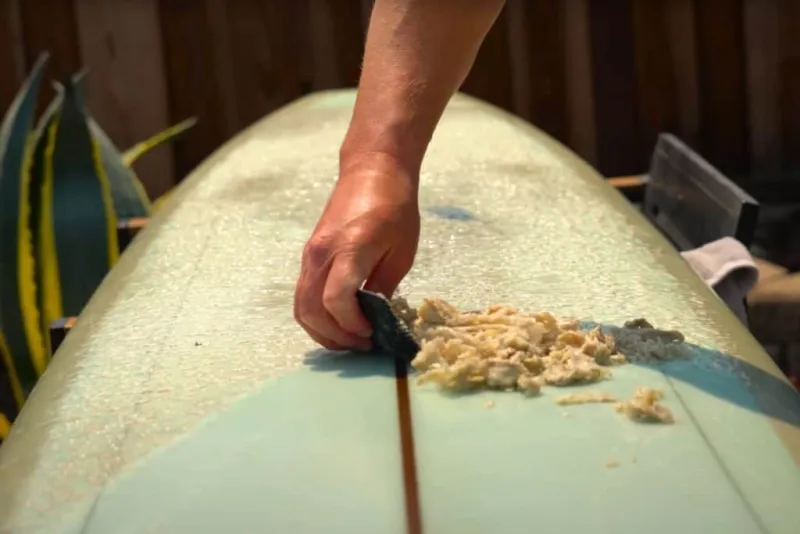
Switch to a plant-based or beeswax formula and read the label before you buy. Use less wax overall — a properly maintained base coat with a light topcoat applied as needed is better for your board and reduces how much material ends up in the water. Remove old wax before it gets so degraded that it's flaking off freely in the lineup. And support the brands and shops that are asking these questions out loud, even when the answers are still incomplete.
The ocean doesn't need perfection from us. It needs us to stop pretending the small stuff doesn't add up.